Employment of sUAS
Enhancing Maneuver Training Experience and Preparing Armor Officers for
Future Capability, Threats
By MAJ Matthew L. Simon
Article published on:
in the Armor Spring
2025 Edition of Armor
Read Time:
< 10 mins
Ahead of an attack, a U.S. tank platoon approaches its assault position
and establishes a coil. The platoon leader orders her loader to “deploy
drone.” Without climbing out of his hatch, the loader turns on a
handheld, small unmanned aerial system (sUAS) and places it on the
turret in front of him. As the handheld controller syncs to the sUAS, he
quickly launches the aircraft into the sky, and it loiters 100 feet
above the platoon. The loader presses the joystick forward with ease and
advances the sUAS towards the objective where it is believed three enemy
tanks are established in battle positions, awaiting the attack. The
platoon leader leans over the shoulder of the loader, watching as the
sUAS disappears beyond the tree line a few kilometers forward and above
the objective. The sUAS provides instant video feedback to the platoon
leader, confirming the exact location of three tanks. The platoon leader
excitedly keys the radio and says, “drone confirms enemy most dangerous
course of action, change direction of attack, move to phase line red,
platoon online, assault through the objective.” As the tanks begin to
uncoil, the loader presses a single button on the controller, placing
the sUAS in “follow mode.” As the platoon converges onto the objective,
the sUAS follows along, recording the attack in real time.
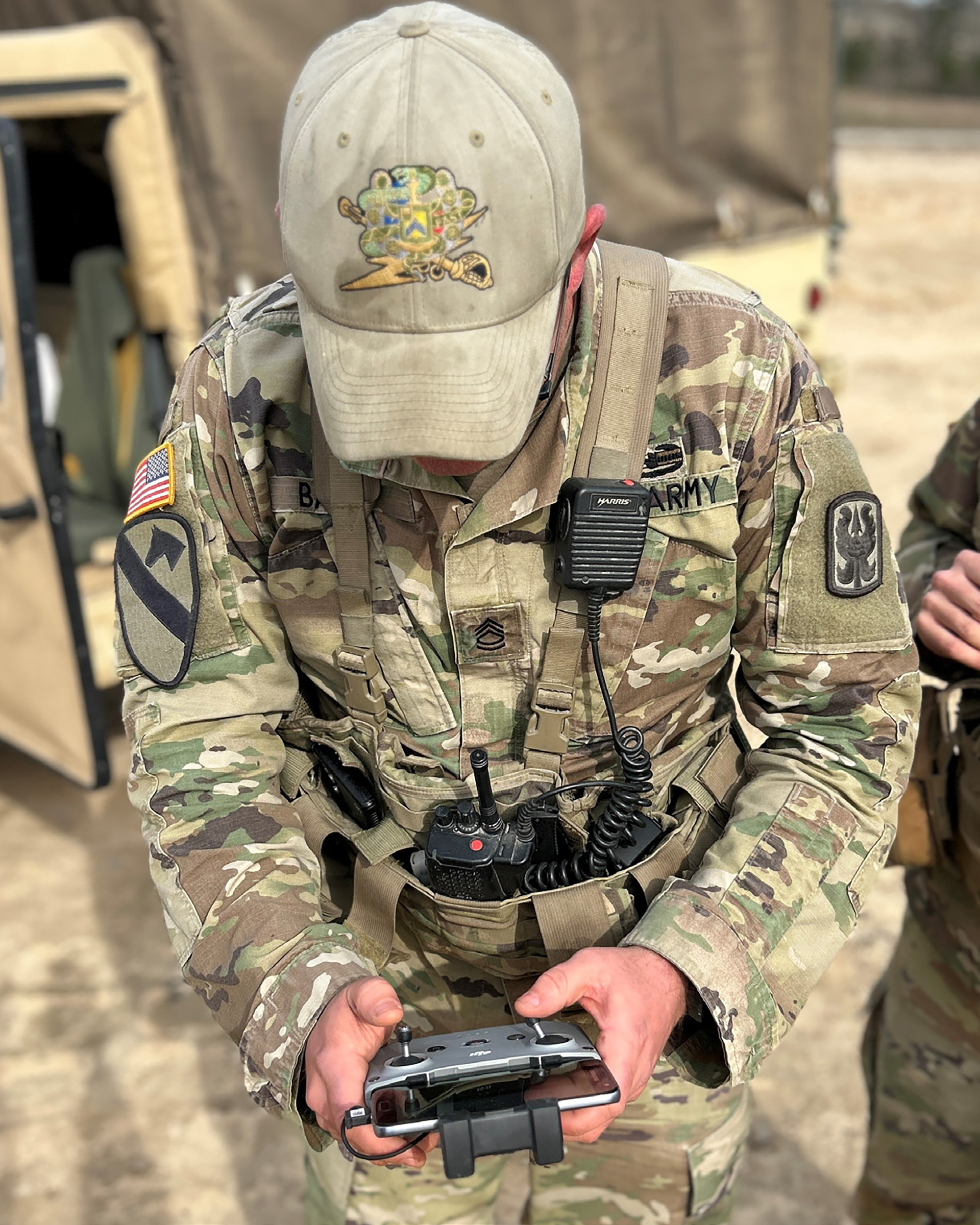
Figure 1. SFC Christopher Bane, instructor for the ABOLC “Ten Day
War”, operate a sUAS dismounted whlie in support of ABOLC Class
24-001.
(U.S. Army Photo by MAJ Matt Simon)
The platoon successfully engages the enemy tanks and reaches their
limit of advance. As the platoon consolidates and reorganizes, the
loader guides the sUAS down from the sky and in a matter of minutes, the
device is safely stowed and ready to be employed again in support of
follow-on operations. Suddenly, a crackled voice comes over the radio
“gas, gas, gas!” The platoon leader scans right and sees a plume of
yellow smoke engulfing the bravo section tanks 75 meters away. Hovering
above the section is an enemy sUAS that dropped a chemical munition
overtop of the platoon. As the tank crews scramble to withdrawal out of
the contaminated area, the enemy sUAS becomes more aggressive, moving
quickly between the platoon’s tanks as if ready to drive itself directly
into a tank. The sound of artillery is heard around the tank platoon,
likely being observed by the fanatical enemy sUAS.
This is not an imaginary scenario, but an example of experimental sUAS
tasks developed by instructors and executed by students of the Armor Basic
Officer Leader Course’s (ABOLC) 2nd Squadron, 16th Cavalry Regiment, 199th
Infantry Brigade, at Fort Benning, GA.
Introduction
sUAS are shaping operational environments (OEs) across the globe. With the
combination of blue list and commercial off the shelf solutions, the
American Soldier, allies, partners, and adversaries alike, can employ
sUAS, with simplicity, to fulfill a variety of ground combat roles. From
sensor, observer, communicator, deceiver, to shooter, sUAS can be
leveraged to provide both traditional and innovative solutions. As sUAS
technology becomes increasingly simpler to operate and more cost effective
to procure, it will likely become a weapon or capability as common and
accessible as the rifle.
Based on observations from the Russian-Ukraine War, ABOLC incorporated
several lessons learned on the employment of sUAS into all facets of the
program of instruction (POI). ABOLC has gone so far as to update course
lesson plans as part of its fiscal year 2025 POI review.
Lesson plan development
During the introductory phase of training, ABOLC students in Hawk Troop
received an sUAS orientation during land navigation and practice the
dismounted react to unmanned aircraft system battle drill. During the
tactics phase, Iron Horse Troop required all students to account for sUAS
in all operations orders. In addition to sUAS, ABOLC leverages the
Combined Arms Integration Division for cyber and electromagnetic
activities and space expertise to ensure students gain knowledge and
perspective on what it takes to fight and win in all domains. Based on the
sUAS type, capability, and employment techniques, there is a potential
convergent point across land, air, space, cyberspace, and electromagnetic
domains that students must be prepared to encounter.
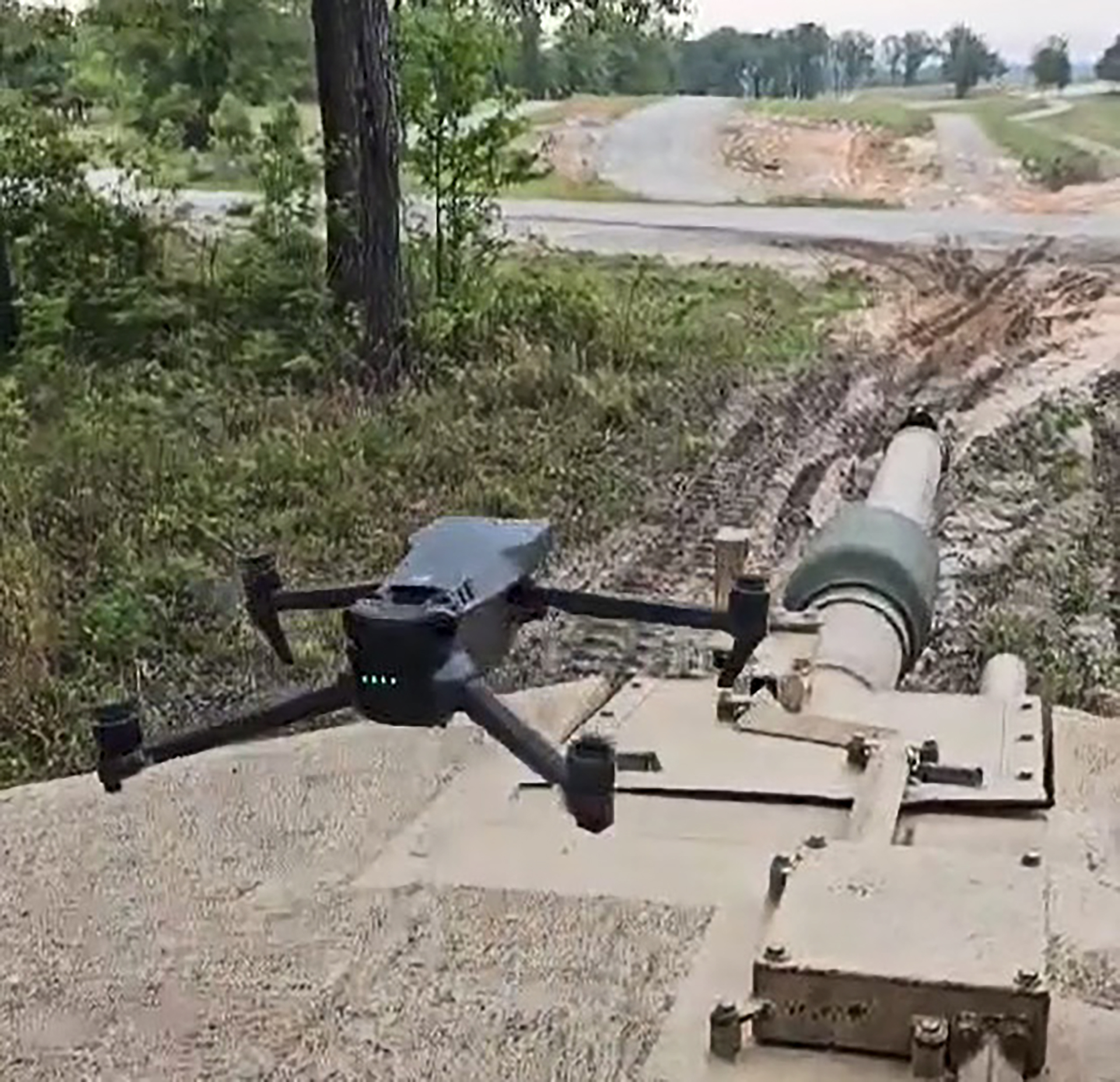
Figure 2. SFC Dustin West, Instructor for the ABOLC “Ten Day War”,
operates a sUAS from the turret of a M1A2 SEP Main Battle Tank while
in support of ABOLC Class 24-001.
(Still image from video taken by SFC Dustin West)
During preparation week ahead of the “10 Day War” (ABOLCs culminating
training exercise for Armor lieutenants), instructors of Iron Horse Troop
provide video and imagery taken via sUAS from operational environments
(OEs) and from previous classes to teach camouflaging techniques for
personnel and equipment. These lessons are reinforced throughout the field
exercise, particularly during tactical assembly area operations. In
addition to sUAS integration, students are taught skills to reduce their
electromagnetic signature and account for other methods of communication
in the event their tactical radios are jammed. Of note, students are not
permitted to have access to cellular devices, GPS devices, or smart
watches for the duration of training. With an increased use of sUAS and
the reduction in the use of devices that omit electromagnetic signature,
students are learning to balance the right capability and tools to achieve
mission success while enabling survivability.
Student employment techniques
In addition to conducting the platoon react to unmanned aircraft system
while mounted battle drill during the 10-Day War, students employ sUAS in
the following ways to support mission execution:
-
Instructors provide a traditional role of reconnaissance to confirm/deny
enemy most probable and most dangerous courses of action while students
are in the defense. Emphasis is placed on ensuring sUAS is in a direct
support role to the platoon, whereas in past training environments,
conflicts, or theaters of operation, it was more common for this asset
to only be available at the company or above level. Students must
communicate directly with the sUAS operator via tactical radio to
provide clear priority intelligence requirements and reconnaissance
tasks while the sUAS remains “on station.”
-
Instructors riding with students in the loader’s station of the tank,
employ sUAS from the turret while the platoon is in the offense. This
allows the attacking platoon leader to confirm opposing force plans on
the move, observe and employ notional indirect fire as needed, and then
retrieve the sUAS at the end of the attack.
-
Students request the employment of smoke to provide obscuration during
offensive operations. sUAS operators tether M83 white smoke training
aids and activate prior to launching along a designated avenue of
approach.
-
Recorded video is used as part of the after-action review process to
reinforce good and bad tactics or techniques.
-
Soon, ABOLC will explore options to employ sUAS as a notional lethal
munition against OPFOR. Additionally, ways to replicate counter sUAS
with notional non-lethal effects for students are being considered.
OPFOR employment techniques
-
Instructors use sUAS to find friendly positions, validate proper
camouflaging techniques, and conduct disruption operations to force
students to react to sUAS at the individual through platoon level.
-
Instructors employ a pay load system to drop M18 yellow smoke training
aids to replicate chemical, biological, radiological, and nuclear
attacks against stationary positions and moving formations.
-
Instructors employ a payload system to drop water ballons onto tanks to
replicate the employment of lethal munitions.
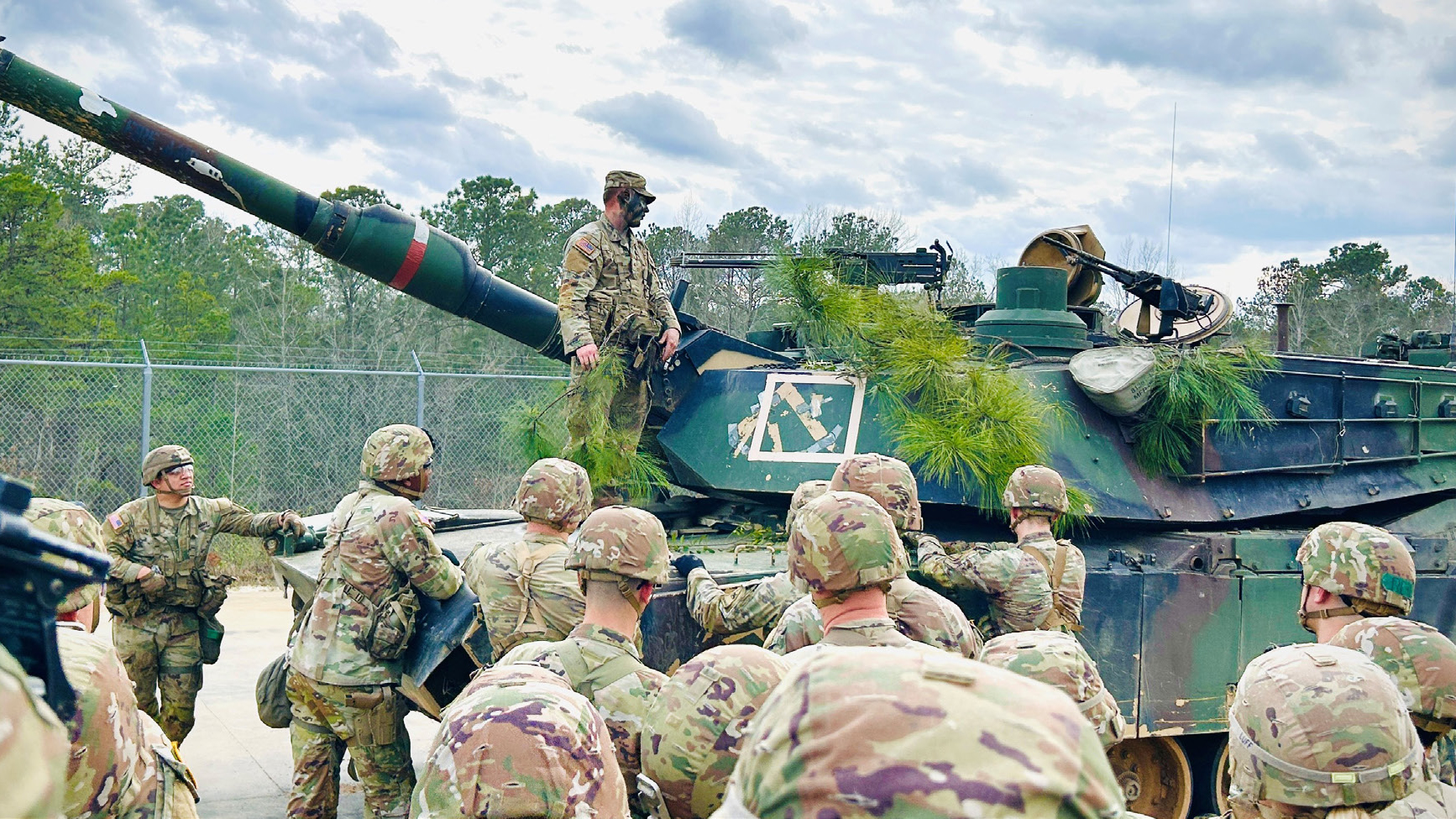
Figure 3. SSG Tanner Leigh provides a survivability and camouflaging
block of instruction to Class 24-001 to prepare both personnel and
equipment to avoid detection from sUAS druing the Ten-Day War.
(Photo by MAJ Matt Simon)
Current capabilities, future requirements
Equipment on hand. Instructors currently employ at least
four different types of manufactured sUAS models in support of ABOLC.
Foreign made sUAS are configured to use modified handheld controls so that
COTS equipment is not connected to U.S. Army networks or data systems to
mitigate concerns of adversarial compromise, but it limits the ability to
receive software upgrades provided by manufacturers.
Certified operators. There are currently seven sUAS
certified instructors (and growing) within 2-16 Cavalry, and on average
ABOLC logs 15 to 28 hours of flight time for about 11-13 days of training
per class. The objective is to increase training and equipment on hand so
that, at a minimum, there is a certified sUAS instructor and at least one
sUAS on hand for each tank within a platoon (24 total instructors and
systems to support the “10-Day War”).
Future requirements. As a future operational requirement,
the U.S. Army should assess the feasibility of building redundancy in the
employment of sUAS on mounted platforms (loader, vehicle commander, and
gunner stations). In terms of simulated and live fire training, the U.S.
Army should explore how to replicate sUAS threats during crew
qualification and collective live fire tables (e.g., simulators like the
Advanced Gunnery Training System, range targets, and multiple integrated
laser engagement systems during situational training exercises)
Limitations and constraints
Air Space Management. ABOLC must open air space 30
minutes prior to employing a sUAS and inform Fort Benning Range Operations
of “wheels up” and “wheels down” times and the number of sorties launched.
On average, the approved altitude ceiling for sUAS is 500 to 1,000 feet.
Although this limitation may be exclusive to training environments
(Federal Aviation Administration owned airspace), the U.S. Army must
approach the use of sUAS like the employment of a direct fire weapon
system, rather than as an aircraft. This will provide ground force
commanders more flexibility in its employment, particularly when
operations may necessitate multiple sUAS performing a wide range of tasks
all at once. Delegating management down to the ground level will also
improve the development of direct fire control measures and allow leaders
to account for surface danger zones if sUAS is used as a lethal munition.
Weather. High winds, rain and fog continue to have
adverse effects on the employment of sUAS. The lighter the platform, the
more challenging it can be to effectively employ systems which may cause
damage to equipment or personnel. As with any capability, students learn
to employ the right tool, for the right job, at the right time and may
need to assume risk of loss, damage, or destruction of sUAS when employed
in less-than-optimal conditions.
Training. It requires four days to certify instructors to
employ sUAS at Fort Benning. With the simplification of new sUAS
technology, training can and should be reduced to a single day. The U.S.
Army should approach operator certification like that of the Integrated
Weapons Training Strategy. Developing qualification tables with
quantifiable metrics will ensure Soldiers are trained and proficient to
employ sUAS to achieve a variety of tasks. The U.S. Army should re-look
master sUAS requirements and empower training and usage to the lowest
level to increase use and familiarization.
Procurement. The U.S. Army must keep pace with commercial
sUAS technology to make systems cost effective and readily accessible.
Currently, ABOLC, through a red tape cutting Maneuver of Center Excellence
policy, is authorized to purchase COTS sUAS to support training. Access to
industry has amplified innovation and the effects leveraged in training.
The U.S. Army issued system, however, is cumbersome, expensive, and
difficult to repair or replace when damaged. It is also unable to provide
a payload capability.
Sustainment. A consistent, dedicated sUAS budget to
repair or replace systems, coupled with accessibility to a
three-dimensional printer to fabricate parts will only increase flight
hours and employment effects.
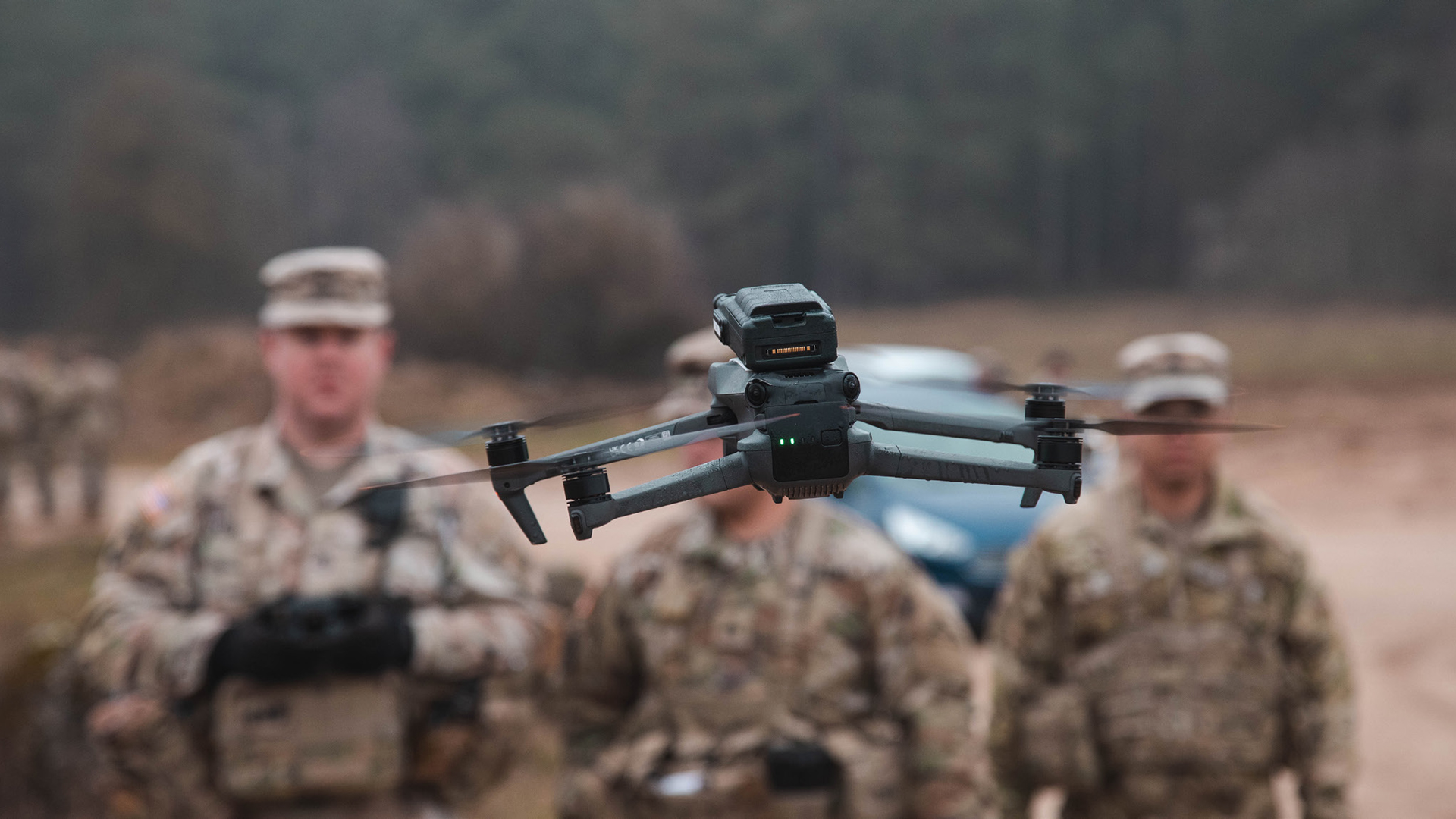
Figure 4. U.S. Soldiers assigned to the Joint Multination Readiness
Center (JMRC), operates a drone during a Small Unmanned Aircraft
System (sUAS) Validation Lane.
(U.S. Army Photo by CPL Nicko Bryant Jr. )
Conclusion
Employment of sUAS in training drives innovation, replicates emerging
threats in the OE, and adds combat stress and complexity at low cost. The
experimental sUAS tasks developed by ABOLC instructors ensure Armor
lieutenants arrive to their first units of assignment better prepared to
share their institutional level experiences with sUAS across the force,
better integrate systems, capabilities, and account for the breadth and
depth of their assigned areas of operation.
ABOLC - Armor Basic Officer Leader Course
OE - operational environment
POI - program of instruction
sUAS - small unmanned aerial system
Author
MAJ Matthew L. Simon is a Force Structure Comand
Manager at HQDA G3/5/7, Pentagon, Washington, D.C. His previous
assignments include Chief of Tactics for ABOLC’s 2nd Squadron, 16th
Cavalry Regiment, 199th Infantry Brigade, battalion executive officer
and S-3 for 1st Battalion, 66th Armor Regiment, 3rd Armored Brigade
Combat Team, 4th Infantry Division, Fort Carson, CO; United Nations
peacekeeper and corps-level planner, Mali, West Africa; deputy G-3
(operations), 4th Infantry Division, Fort Carson; and squadron executive
officer, 5th Squadron, 15th Cavalry Regiment, 194th Armor Brigade, Fort
Benning. MAJ Simon’s military schools include the ABOLC, Fort Benning;
Maneuver Captain’s Career Course, Fort Benning; U.S. Army Command and
General Staff College, Fort Leavenworth, KS; Common Faculty Development
Course; Scout Platoon Leader Course, Fort Benning; and the Cavalry
Leader Course, Fort Benning. He has bachelor’s of arts degree in mass
communications from Elizabethtown College and a masters in military art
and science (MMAS) degree in general studies from the U.S. Army Command
and General Staff College.