Lessons in Battalion Command
Leadership, Readiness, and Legacy
By LTC Christopher T. Majors
Article published on: April 1, 2025 in Air Defense
Artillery Bulletin 2025 E-Edition
Read Time:
< 9 mins
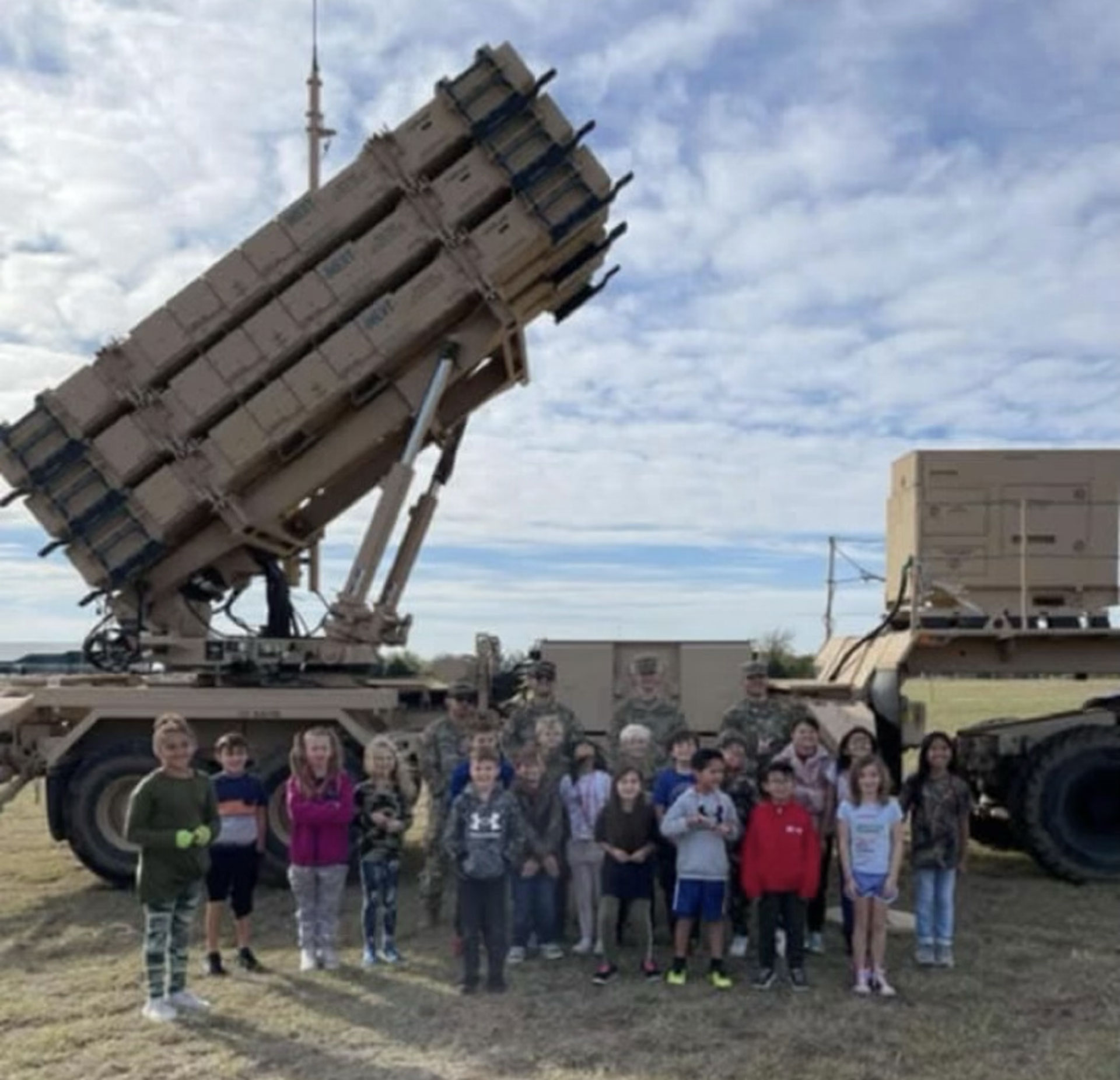
Lethal Strike Soldiers conducting its annual Equipment Roadshow with Cache
Elementary School Students
Whether in garrison or a forward-deployed area of operations, a Battalion
Commander’s ability to provide shared purpose, decisive leadership,
and a well-structured organization remains essential for guiding teams to
success through adversity and complexity. Commanding is a defining
experience for any leader, requiring a balance of discipline, mentorship,
and vision. The effectiveness of a unit is determined not only by mission
accomplishment, but by the culture set by its leaders. A successful
Battalion Commander ensures operational readiness, prioritizes taking care
of people, and builds a lasting legacy. These lessons, learned through
experience, define what it means to lead at this level.
Readiness First, People Always
Readiness is and always will be the number one priority. When it comes to
mission execution, it is paramount that the Battalion Commander ensures
his/her unit is physically fit, trained, and equipment is maintained -
ensuring the unit is, and always will be, ready to deploy and fight at a
moment’s notice. Recent real-world events, such as the attack on
Israel in fall 2023 and the ongoing conflict in Ukraine, have underscored
the importance of Air Defense readiness. When these situations escalated,
Air Defense units were called to deploy on short notice, proving that
readiness is not just a concept - it is a requirement. These conflicts
highlight the unpredictable nature of global security and reinforce why
units must maintain a high level of preparedness at all times. Leaders must
instill this mindset in their formations to ensure they can respond rapidly
to any emerging threats. Taking care of people is an implied task. A
well-trained and well-led unit will be a ready unit. Effective leadership
means balancing mission focus with the well-being of Soldiers and their
families. Ensuring proper training, rest, and support structures are in
place will contribute to both individual and unit effectiveness.
It is crucial to “build a bench” of school-trained
Soldiers and leaders within your formation. While tracking personnel losses
due to PCS and other transitions is important, unforeseen circumstances -
such as losing someone to Battalion or Brigade - can arise at any time.
Never settle for the bare minimum when meeting training requirements;
instead, always strive to exceed them. A well-prepared and cross-trained
team ensures operational continuity and reinforces the overarching theme of
readiness.
Recognition and Career Management: Taking Care of Our People
A leader’s legacy is not only in how well they accomplish the mission
but in how well they take care of their people. Every Soldier, NCO, and
Officer should leave the unit with a PCS award in hand - presented in front
of their peers in a formation. Public recognition for service is a simple
yet powerful way to show appreciation and reinforce morale. Additionally,
every leader should have their evaluation complete, counseled, and signed
before departing the unit. Leaders owe it to their subordinates to ensure
their professional development is not neglected. These efforts reinforce a
culture of professionalism and respect, demonstrating that leadership is
about investing in people.
Beyond routine recognition, it is vital to place importance on nominating
subordinates for prestigious awards such as the GEN MacArthur Leadership
Award. These opportunities should not be viewed as just another requirement
from Division or Brigade but as a chance to highlight and reward exceptional
leaders. Actively seeking ways to recognize outstanding performance builds a
culture of excellence and motivation within the organization. Additionally,
Battalion Commanders must encourage and endorse their leaders to compete for
nominative assignments and professional development opportunities, even when
it impacts leader manning within the battalion. Developing leaders for the
broader Army strengthens the force as a whole, and commanders should take
pride in supporting their Soldiers’ career progression rather than
holding them back for the sake of unit stability.
Efficient and effective resolution of legal issues is another critical
component of leadership. Allowing legal matters to linger sends the wrong
message to the formation, undermining discipline and accountability.
Addressing legal concerns swiftly and fairly maintains order, reinforces
trust, and upholds the standards expected of Army professionals.
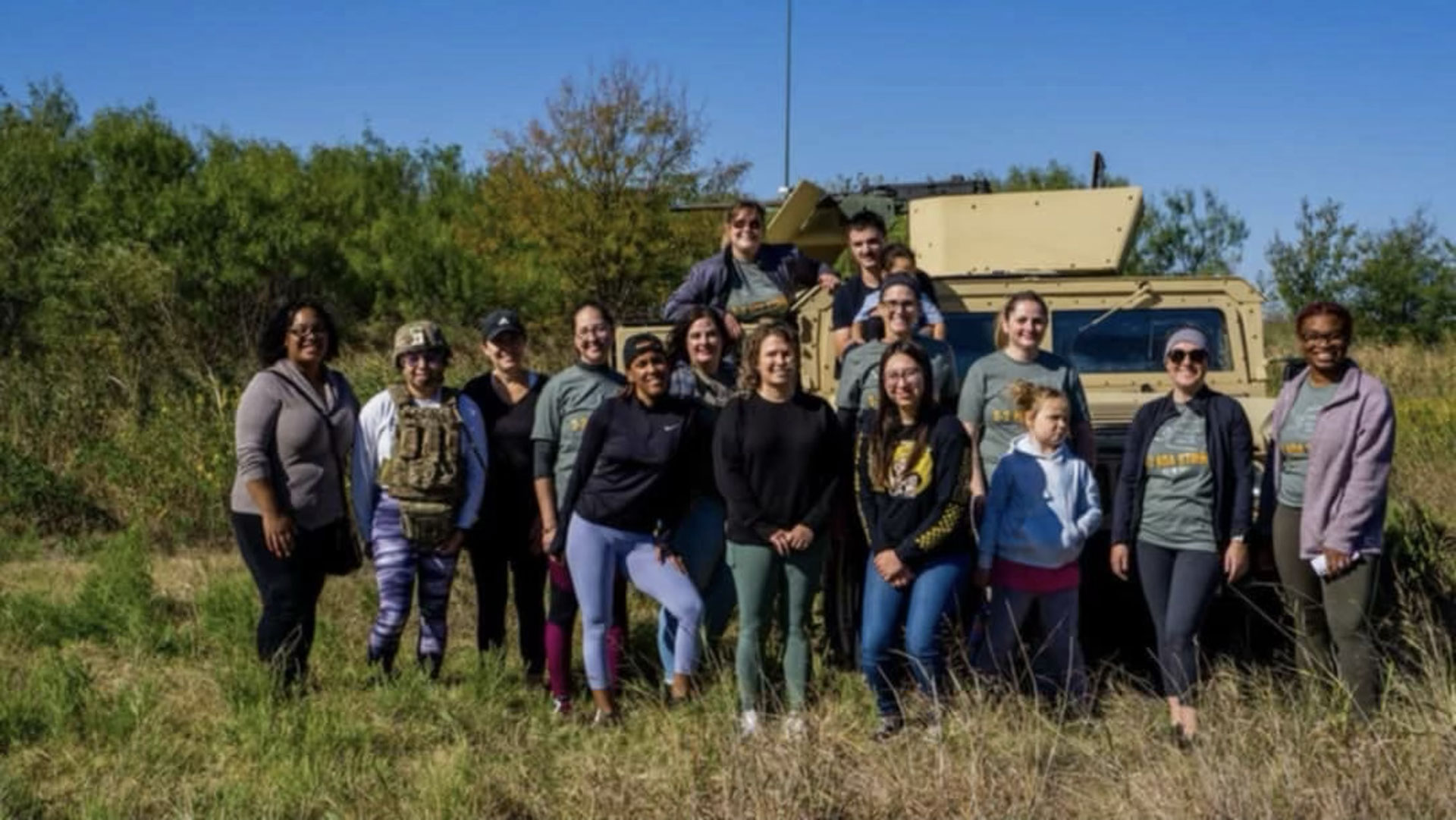
Lethal Strike Spouses participating in the semi-annual Jane Wayne Day.
Event included a simulated ACFT, obstacle course, simulated grenade throw
and weapons training
Good administration equals good morale. Ensuring awards, evaluations, and
personnel actions are processed efficiently and fairly demonstrates that the
leadership values the hard work of its Soldiers. A well-run administrative
process keeps Soldiers focused on their mission rather than bureaucratic
frustrations.
Leading by Example: The Power of Physical Fitness
Physical fitness is the foundation of military readiness. As a Battalion
Commander, you do not have to be the fastest, strongest, or score the
highest on the Army Combat Fitness Test (ACFT), but you need to be seen
taking it. The Army defines excellence with a Physical Fitness Badge and the
mark to earn that is a minimum of 90 points in each event. A leader for
excellence in every facet, fitness, marksmanship, and technical acumen.
Remember, your leaders and Soldiers are watching, and they will feed off
your energy and performance. Setting the tone for fitness expectations
creates a culture of accountability and resilience. A Commander should set
the standard and challenge their junior officers on leader developed
physical training, whether that be a long run, a HIIT workout, or a Spartan
Race. These events not only build physical endurance but also strengthens
camaraderie. These workouts provide an opportunity for mentorship, informal
discussions, and shared hardship that forges strong bonds within the team.
When junior Officers see their leaders pushing themselves, they are more
willing to follow in every challenge.
Work-Life Balance: Setting the Standard for Time Management
It is imperative to set the example for work-life balance by making it a
goal for both your team and yourself to be out of the office at a reasonable
time. If work remains, assess its priority as many tasks can be handled
later from home after spending time with Family. This philosophy must be
communicated down to the lowest level. A well-rested, well-balanced leader
is a more effective leader, and ensuring time for personal lives and Family
strengthens morale and overall unit effectiveness.
Building Cohesion Through Tradition and Family Events
Unit cohesion extends beyond the battlefield. It is reinforced through
tradition and social events that bring Soldiers and Families together.
Events like Hail and Farewells, Battalion Balls, and the Commander Holiday
Socials provide critical opportunities for all leaders to engage in
traditions that define the profession. These gatherings build team spirit,
strengthen relationships, and reinforce the sense of belonging that keeps a
unit strong. The power of well-planned events can cultivate esprit de corps.
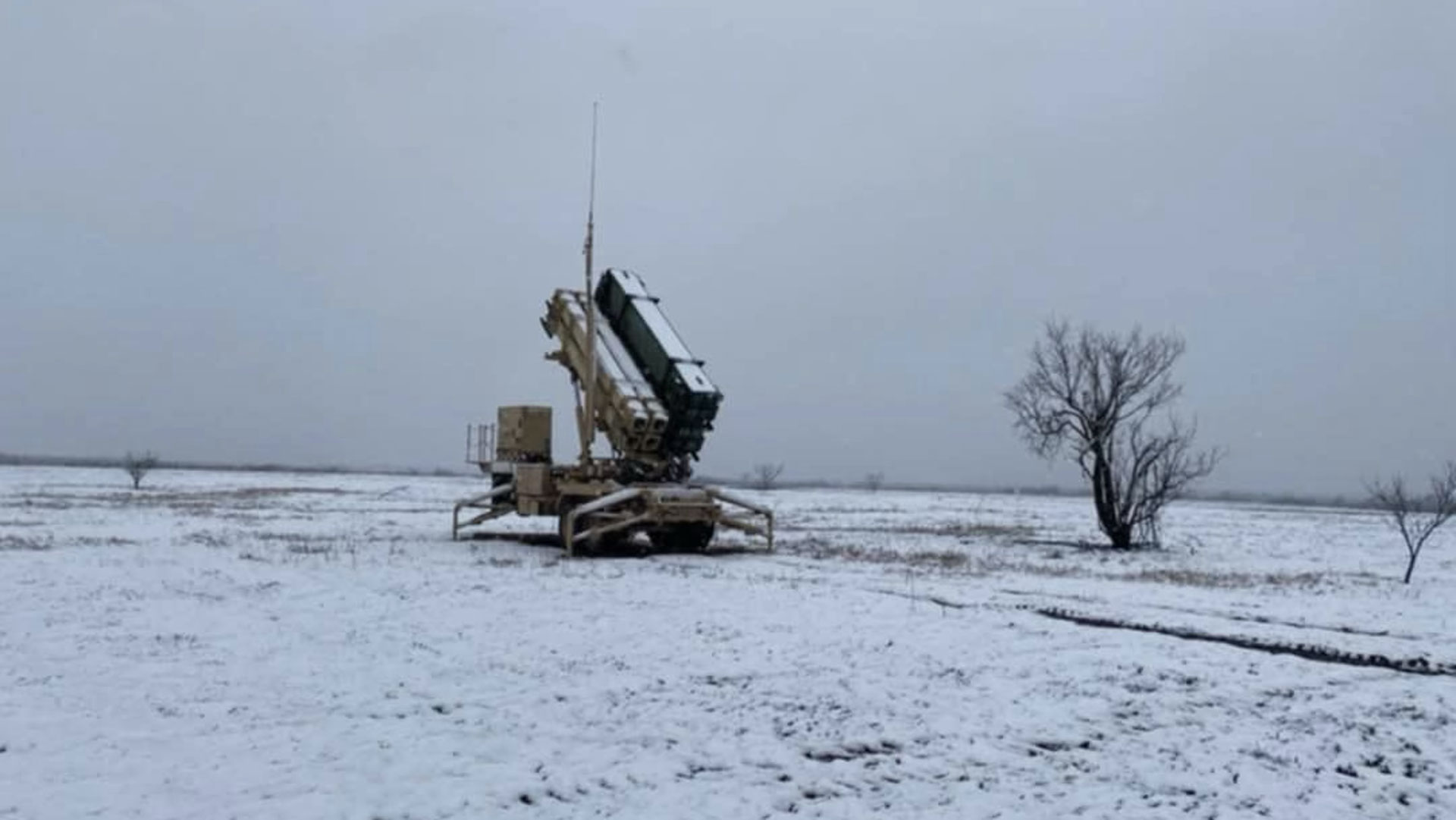
Lethal Strike Launcher Dawgs executing Table VIII certifications in
preparation for its Contingency Response Force (CRF) mission assumption
Additionally, never underestimate the importance of the Soldier Family
Readiness Group (SFRG). These groups play a vital role in unit cohesion and
Family support. Include them in battalion events, keep them informed, and
ensure they have your contact information. Strong communication with and
through the SFRG helps build trust and keeps Families engaged with the
unit’s mission. Always take the time to thank them for their
contributions - our Families and spouses go through a great deal, and we are
forever in their debt for the sacrifices they make on behalf of the Nation
and our Army.
Embracing the Reality of Leadership
One of the hardest lessons in command is understanding that you will NEVER
make everyone happy. Leadership involves tough decisions, and not all will
be popular. Accept this early, make decisions based on the mission and the
welfare of your Soldiers, and move forward with confidence. Additionally,
never lose your sense of humor. Humor can be a powerful tool to maintain
morale and foster a positive command climate. A leader who can laugh, even
in difficult situations, creates an environment where Soldiers feel
supported and engaged.
Maintenance: The Key to Operational Success
Maintenance drives operations. A unit that cannot maintain its equipment
cannot accomplish its mission. Leaders must prioritize maintenance and
ensure it is conducted to standard. Taking the time to enforce the
fundamentals of vehicle, weapon, and system maintenance will pay dividends
when it matters most. Your Battalion Executive Officer, 140L Warrant
Officers, and Maintenance NCOs will take the lead in managing your
maintenance program. However, it is essential that you embed yourself
directly into the process to make it clear that maintenance is a top
priority. A practical approach is to personally chair the first month of
weekly Battalion Maintenance Meetings, requiring Battery and Company
Commanders to brief you on their maintenance status. This sets the
expectation that maintenance is a commander’s priority, not just a
staff function. Your intent on maintenance is established, scale back to
chairing the meeting once a month, alternating between Battery and Company
Commanders and unit Executive Officers delivering the brief. Ultimately, the
effort and commitment you put into the maintenance program will be reflected
in how your team approaches it.
Master the Fundamentals: Priorities Matter
The Army is constantly asking us to do more with less. This makes mastering
the fundamentals even more critical. Leaders must know what the priorities
are and allocate their efforts accordingly. Excellence in the basics will
set the foundation for success in complex operations.
You Are Always Being Evaluated
Whether you realize it or not, you are always being evaluated. Every action,
every decision, and every moment of leadership is being observed. Be the
best at whatever job you are given, and it will be noticed. A strong
reputation takes time to build, but can be lost in an instant.
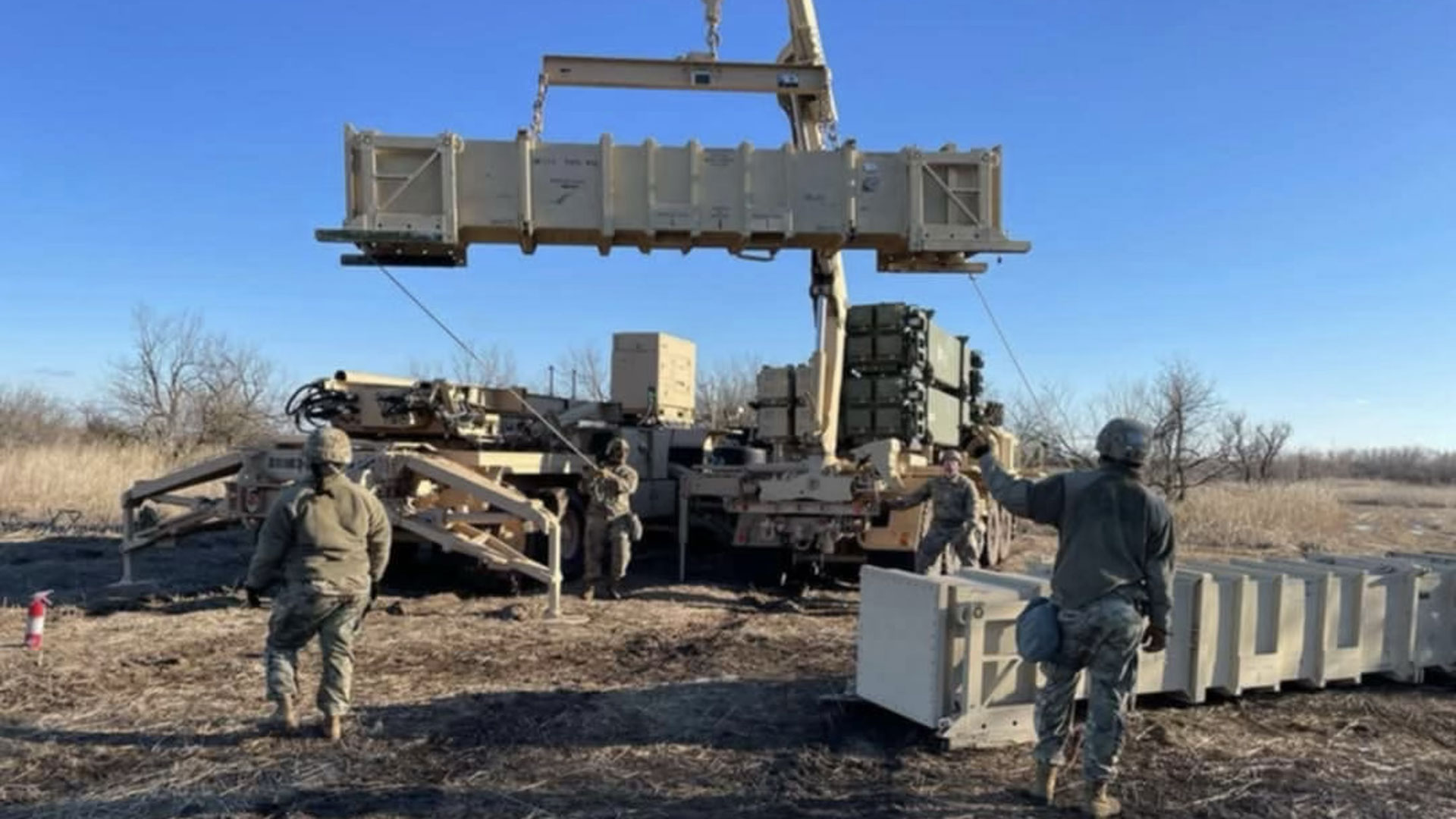
Lethal Strike Launcher Soldiers executing missile reload training.
Tough, but Fair Leadership
There is nothing wrong with being tough, but always be fair. Treat others
with dignity and respect and set high standards while providing the
necessary tools for your Soldiers to succeed. A leader who is both demanding
and fair earns respect that lasts beyond their tenure in command.
Trust and the Inner Circle
A commander’s inner circle should be made up of those who are
competent, reliable, and trustworthy. Keep it tight, but ensure you are
surrounded by people who will troubleshoot or provide well-thought out
counter-points when necessary and provide candid feedback.
Legacy and Leadership Impact
Your Soldiers and leaders will remember you long after you’ve left
command. How they remember you is entirely up to you. The culture and
standards you set will continue beyond your tenure. Aim to be the kind of
leader they look back on with respect and appreciation.
Have Fun and Stay Motivated
Finally, have fun. Leadership is demanding, but your attitude will play an
essential role in your success. Your energy, enthusiasm, and positivity will
shape the morale of your unit. YOU are your biggest critic and your toughest
opponent - so push yourself to be the leader your Soldiers deserve.
Conclusion
A successful Battalion Commander ensures mission readiness, prioritizes
people, and leaves a lasting impact. Leadership is a privilege, and the way
we lead shapes the careers and lives of those who serve with us. By focusing
on readiness, recognition, and respect, we uphold the Army values and ensure
that our Soldiers and leaders leave our formation stronger than when they
arrived. Ensuring every departing Soldier, NCO, and Officer is properly
recognized and set up for success is not just a leadership obligation - it
is a standard that must be upheld in every unit. Be a legend. Be the leader
that your Soldiers and junior leaders deserve and will talk about in a good
way long after you are gone. Their success is your legacy. Best of luck and
enjoy the ride - this is the best job in the Army!
**Artificial Intelligence (AI) was used in writing this document to
improve grammar, sentence structure, and organization.
Author
LTC Christopher T. Majors was the 3rd Battalion 2nd Air
Defense Artillery Regiment Commander from June 2021 – June 2023. He
currently is the Air Defense Branch Chief at Army Human Resource Command
(HRC).